

Reviewed · POSITANO LIMONCELLO & LEMON GROVES
Amalfi Organic Lemon Tour & Tasting in the Historical Garden
You’ll step into a lemon world built by hand and patience. I like how this visit mixes terrace-farming engineering with organic tastings you can actually taste at the end. The one drawback: it’s not for slow walking, because there are lots of stairs and steep bits on the way to the farm.
This is a small-group, family-run style experience in the Amalfi Historical Garden, not a cookie-cutter orchard stop. Expect a guided walk through groves, historical documents, and water channels, then a break with views over Amalfi and the sea.
In This Review
- Quick hits before you go
- Why Amalfi’s Historical Garden feels different from a usual farm visit
- Terrace-farming engineering you can actually see
- The lemon tour walk: from Sfusato trees to historical documents
- Tastings in the Historical Garden: lemonade, Limoncello, and lemon cake
- Views, stairs, and timing on the Amalfi steps
- Price and value: is $59 actually fair?
- Who should book this lemon tour
- Should you book? My practical verdict
- FAQ
- How long is the Amalfi Organic Lemon Tour & Tasting?
- How much does it cost?
- What do I taste during the tour?
- What’s the meeting point?
- Is the tour suitable for people with mobility issues?
- What language is the guide?
- When can you expect lemons to be yellow?
- Is this tour cancellable if plans change?
Quick hits before you go
- Small group, shared tour (guided in English, 1.5 hours and designed for a relaxed pace)
- Historical Garden setting with chestnut pergolas, ancient cisterns, and macerine stone walls
- Seasonal reality: lemons are yellow only from February to July
- Hands-on lemon culture: how to approach thorny trees and pick with care
- Tastings included: organic lemonade, Limoncello, and lemon cake
- Family storytelling with on-site historical context from historical documents
Deeper into the lemon terraces
Why Amalfi’s Historical Garden feels different from a usual farm visit
This tour takes place in a working garden that’s treated like living heritage. You’re not walking through concrete paths to hit photo spots. The place is described as ancient and hard to preserve, with no concrete roads or platforms under the lemon trees, so the atmosphere feels more like a real farm than a set.
I also like the way the experience is framed as an attitude, not a script. You’ll hear a clear message about being a nature lover (they call it being a naturophile), because the tour is about how you relate to the trees, the land, and the work behind the fruit.
The other reason it works is that it’s small-group paced. That means you can ask real questions while you’re walking, and the tasting at the end doesn’t feel like they rushed you out the door.
Terrace-farming engineering you can actually see
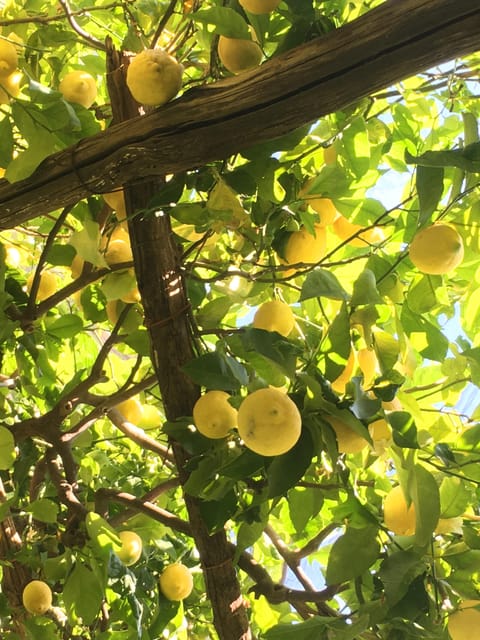
Amalfi’s lemon country isn’t flat. It’s terrace farming, built to fit steep hills, and the “garden” is basically vertical in how it’s grown and protected. The tour explains that sun rays filter through the branches, and the result is an atmosphere that feels special and very “in place,” not staged.
As you walk, you’ll see practical structures that made citrus possible on the Amalfi Coast:
- Pergolas made with chestnut wood from local forests
- Ancient cisterns and water channels fed from high springs
- Macerine stone walls that hold earth from terrace to terrace
These aren’t just pretty details. They’re the reason lemons survive here, and the reason the gardens are still worth preserving. It’s a strong reminder that agriculture on the coast is partly engineering, partly ecology, and partly stubborn human effort.
You’ll also learn that the garden isn’t easy to maintain. That matters because “organic” isn’t a marketing word here. It’s a management challenge, especially in a terraced, exposed landscape.
The lemon tour walk: from Sfusato trees to historical documents

The walk starts at the gate of the lemon farm in central Amalfi. From there, your guide leads you through lemon groves and the farm’s interpretation of how the land works. You’ll also spend time looking at historical documents that connect lemon growing with long-term care and preservation.
One of the most memorable parts is how the guide explains the relationship between people and citrus plants. Lemon branches are rough and twisted, and they have thorns. The tour’s point is simple: lemons feel the difference in how you handle them. You’re guided to approach and pick with care, instead of acting like you’re yanking fruit off a supermarket display.
You’ll learn about lemon varieties. The Sfusato lemon gets special attention, along with other varieties grown in the garden. That’s useful because it turns the tour from a generic “lemon trees” stroll into something closer to a living lesson on what grows where on the coast.
There’s also a rest moment with an Amalfi-and-sea view. You’ll get a breather while you connect the structures you just walked past with why the whole system makes sense on these cliffs.
Tastings in the Historical Garden: lemonade, Limoncello, and lemon cake
The tasting is the reason many people book this. And it’s included: organic lemonade, Limoncello, and lemon cake. You can expect the flavors to taste like the fruit rather than like sugar and alcohol hiding behind it.
In multiple tour experiences described here, the best part is how the guide explains what you’re tasting while you’re tasting it. That’s a big difference from a quick “here’s a sip” moment. You’ll hear the organic angle and why using lemons from an organic system changes the flavor profile you end up with.
Also, the tasting experience isn’t always limited to the three headline items. Some visits add details like candied lemon peel or other small local sweets, and you may find extra honey or perfume-style citrus tasting components depending on what’s happening that day. The core remains the lemonade, Limoncello, and lemon cake.
If you like taking home a souvenir that isn’t a keychain, this is where you’ll feel the pull. Several people note buying a bottle after tasting the farm’s Limoncello, especially if they usually find Limoncello too sweet elsewhere.
A few more Amalfi trips worth a look





Views, stairs, and timing on the Amalfi steps
Amalfi is stairs. This farm tour adds to that reality, so plan your body and your shoes, not your fantasy of a flat promenade. Reviews and the tour description both emphasize steep incline and steps, and the experience is explicitly not suitable for mobility impairments, and it’s also not recommended for people with heart or respiratory issues.
What helps: the group is small and the pace is guided, so you’re not doing a fitness challenge for your own entertainment. But you should still treat it as a walking tour with real elevation.
Timing-wise, the tour lasts about 1.5 to 2.5 hours depending on the starting time, and it’s guided in English. If you’re doing other Amalfi activities the same day, leave buffer time before and after. This isn’t the type of plan you tack on at the last minute.
One more seasonal note that affects expectations: lemons are yellow only between February and July. If you’re visiting outside that window, you might still see lemons and citrus growth, but the “yellow fruit everywhere” look may not be the same.
Price and value: is $59 actually fair?
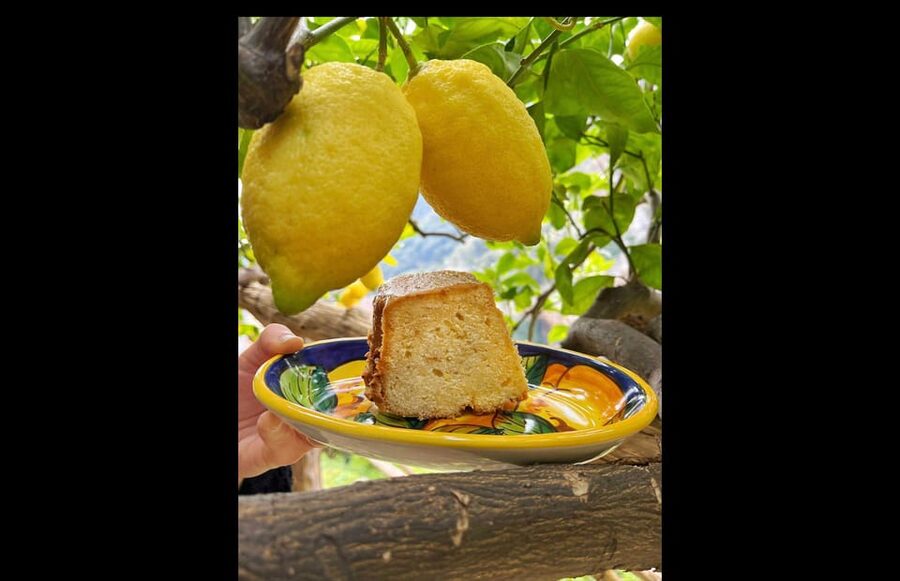
At $59 per person for roughly 1.5 to 2.5 hours, this isn’t a budget street-corner tasting. But it’s also not charging like a big-ticket show. You’re paying for several things that add up:
- a guided walk through a maintained historical agricultural site
- historical context via documents, not just orchard facts
- organic tastings included at the end
- a small-group format that keeps it personal
The value gets even better if you compare it to “pay for a bus tour, then stand in a shop line” style experiences. Here, the tasting comes from the farm’s own citrus culture, not a generic sample.
Also, the tour includes the chance for special prices on local typical products at the Historical Garden. That can matter if you plan to pick up lemonade mixes, sweets, or bottles of Limoncello anyway.
If your goal is views and shopping, you might still prefer something else. But if your goal is a real Amalfi Coast food story—how lemons are grown, preserved, and turned into everyday pleasures—this feels like money well spent.
Who should book this lemon tour

Book it if you like:
- learning how terrace farming works in real life
- tasting organic products connected to the place you’re standing
- quiet, non-commercial experiences away from the shopping rush
I’d especially recommend it for couples, families with older kids, and solo travelers who enjoy guided walks with real explanations. People also describe it as a standout Amalfi activity because it feels different from the usual “see a viewpoint and move on” rhythm.
Skip it (or choose a different plan) if you:
- need step-free access
- have mobility limitations
- have heart or respiratory concerns
Finally, bring the right mindset. The tour doesn’t ask you to be an expert. It just asks you to act like you’re on someone’s living farm: slow down, look up, and handle the citrus with respect.
Should you book? My practical verdict

If you want one Amalfi Coast experience that connects scenery to agriculture, book this tour. The combination of the Historical Garden setting, the visible terrace-water system, and the included organic tastings makes it feel complete instead of rushed.
But don’t book it if stairs will be a problem for you. The walk is part of the experience, and the farm setting is intentionally kept natural, so it won’t be convenient in the way some city tours are.
My advice: wear comfortable shoes, bring a bottle of water, and go hungry enough to enjoy the lemonade, cake, and Limoncello at the end.
FAQ

How long is the Amalfi Organic Lemon Tour & Tasting?
The tour runs about 1.5 to 2.5 hours, depending on the starting time.
How much does it cost?
It costs $59 per person.
What do I taste during the tour?
You’ll taste organic lemonade, Limoncello, and lemon cake.
What’s the meeting point?
It starts in Amalfi at the gate of the lemon farm. You’ll receive the details after booking confirmation. If you’re coming down from Pontone or Scala, they advise contacting them to meet on the way down to Amalfi instead of heading to the main meeting point.
Is the tour suitable for people with mobility issues?
No. It is not suitable for people with mobility impairments.
What language is the guide?
The tour is guided in English.
When can you expect lemons to be yellow?
Lemons are yellow only between February and July.
Is this tour cancellable if plans change?
Yes. There is free cancellation up to 24 hours in advance for a full refund.
More Tours in Amalfi






More Tour Reviews in Amalfi


More Lemon Groves and Limoncello



Fresh on the site: more Amalfi tours and day trips we have just reviewed


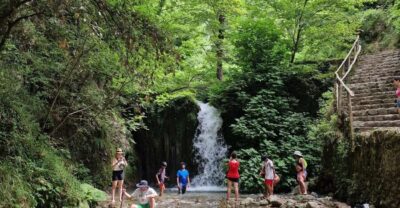

Positano Limoncello & Lemon Groves, compared.
 ★ 4.4Sorrento: Coast and Capri Boat Trip with Limoncello TastingFrom $812,037 reviews
 ★ 4.9Maiori: Amalfi Coast Path of Lemons Day Trip with TastingsFrom $59206 reviews
 ★ 4.8Vertical Lemon Farm Tour, Tastings, and Rural MuseumFrom $41196 reviews
 ★ 4.9Limoncello Factory Guided Visit with TastingsFrom $29115 reviews
 ★ 5.0Amalfi Coast – Maiori: Path of Lemons Tour with TastingFrom $60109 reviews
 ★ 5.0Kayak/Snorkel Tour to Pandora Cave with Lemon SpritzFrom $58103 reviews
 ★ 5.0Authentic Amalfi Lemon Tour & Tasting in the Historical GardenFrom $4952 reviews
 ★ 4.9Limoncello Factory Visit with Instructor and TastingFrom $9445 reviews
Browse the lists this tour appears in