
Reviewed · AMALFI COAST COOKING CLASSES
Cooking class: “Traditional dishes of the Mediterranean Diet”
This class turns your plate into a harvest story. At Agriturismo Il Tintore near Amalfi, you start with a garden walk, pick seasonal products, then help cook the courses you’ll eat—chef-led, family-farm style, with a view over the Tramonti valley.
I especially loved the hands-on pasta lesson (you learn how to make gnocchi or tagliatelle dough the way locals do). I also liked the build-from-your-basket cooking, where what you pick becomes the sauce and more than one course, so nothing feels pre-made or staged.
One consideration: this is a very active, ingredient-driven experience, so if you hate hands-on work (or long sit-downs are your whole plan for the day), you may find the pace a bit busy.
In This Review
- Key highlights you’ll feel right away
- Agriturismo Il Tintore: Tramonti views and a working farm vibe
- From baskets to the kitchen: how the harvest drives everything
- Handmade gnocchi or tagliatelle: the real skill you take home
- Sauce-making with your garden picks (and why it matters)
- Second course, then TUTTI A TAVOLA: eating like the locals cook
- Pace and timing: a 4-hour plan that fits Amalfi days
- Price and value: $243.10 per person, and what justifies it
- Who this class is for (and who should think twice)
- Practical tips to make your day smoother
- Should you book Agriturismo Il Tintore’s Mediterranean diet cooking class?
- FAQ
- Where does the cooking class start?
- How long is the experience?
- Is this class private?
- What happens when you arrive?
- Does it include wine?
- Is free cancellation available?
- Are service animals allowed and is it near public transportation?
Key highlights you’ll feel right away
- Pick in the garden, then cook with your haul using baskets you’re given at the farm
- Handmade pasta basics taught step by step, with quantities explained for gnocchi or tagliatelle
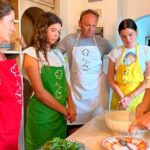
- Chef Raffaella keeps you involved, not watching from the sidelines
- Aniello guides the harvest, so you know what you’re grabbing and why
- Wine during the meal keeps the lunch flowing long after the cooking starts
Still hungry? More kitchens to book
Agriturismo Il Tintore: Tramonti views and a working farm vibe
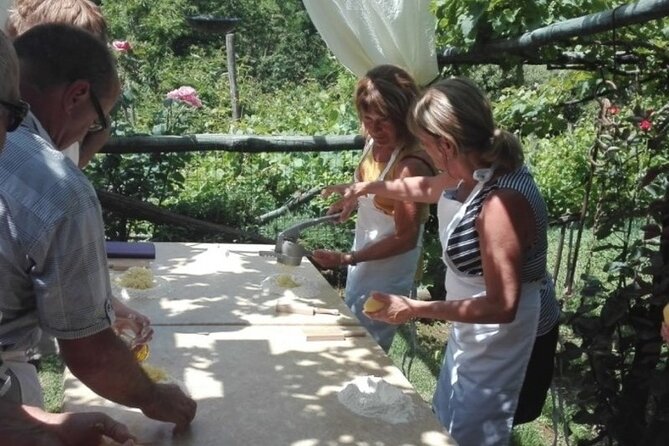
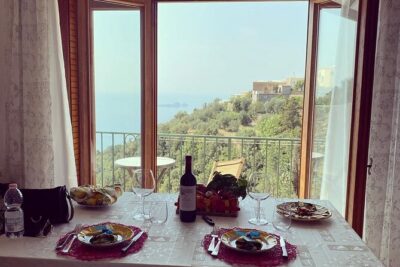
The meeting point is B&B Il Tintore (Via Vitagliano, 25, 84010 Capitignano SA). Even before you cook, the place sets the tone: it feels like you’re stepping into a real farm day, not a rented classroom.
Once you arrive, you get a small welcome drink and a quick reset before things get hands-on. From there, you’re pointed toward the garden and the view opens up over the Tramonti valley—good motivation for wearing clothes you don’t mind getting a little “farm” on.
Chef and hosting style matter here. You’re not just handed tasks; Aniello and Chef Raffaella guide you through the rhythm of picking, prepping, and cooking like you’re joining their daily routine.
From baskets to the kitchen: how the harvest drives everything
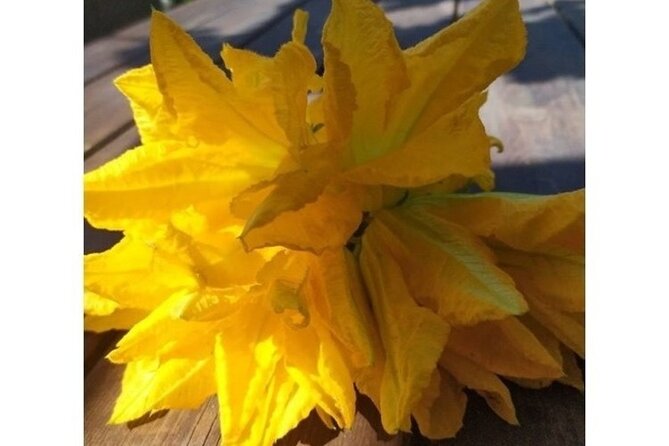
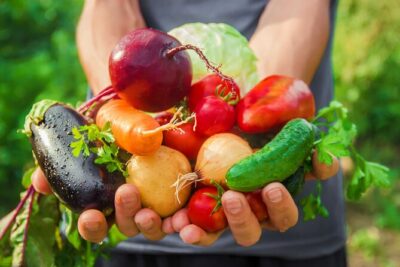
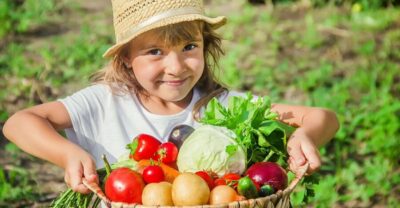
The process starts with a simple idea: you’ll collect seasonal products directly in the garden. You’re given baskets for the picking, then you bring everything you collect back to the kitchen area to begin prep.
In practice, this is what makes the menu feel personal. You’re tasting the logic of the Mediterranean diet in a very literal way: seasonal ingredients, simple transformations, and flavors that don’t need a lot of fussing.
What I found especially smart is how the class uses your ingredients more than once. After the harvest, the kitchen work begins, and the same products carry through to the courses you’ll make later.
A small note for your expectations: you might not always get the exact same items from season to season. That’s part of the charm, but it does mean the class can feel different depending on when you go.
Handmade gnocchi or tagliatelle: the real skill you take home
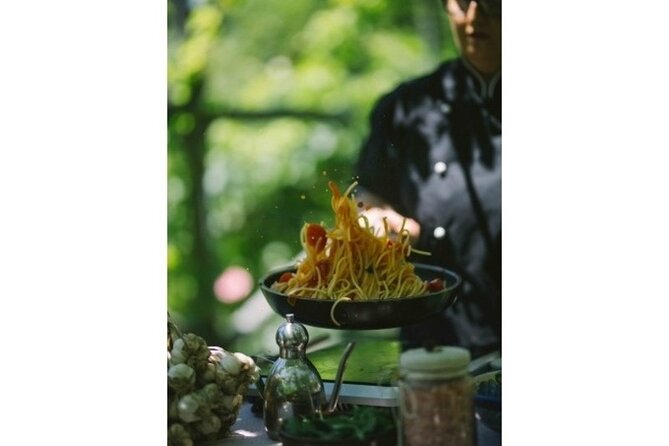
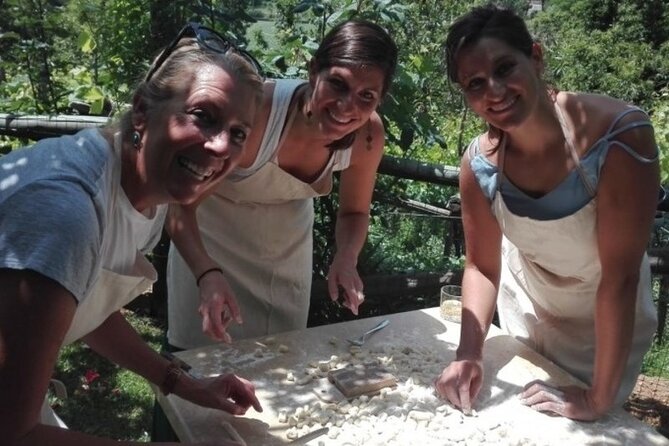
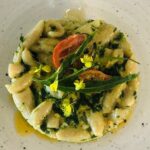
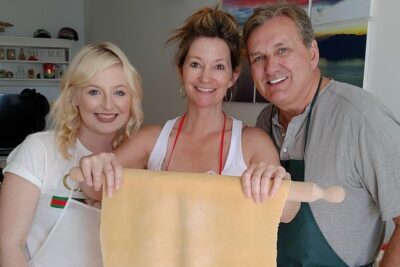
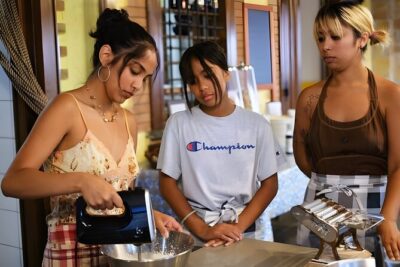
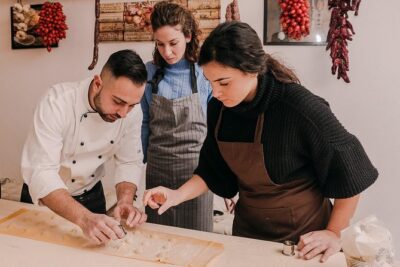
At the start of cooking, Chef Raffaella explains how to make pasta by hand. You’ll learn either gnocchi or tagliatelle—and the teaching focuses on the details, not just the final shape.
You also get ingredient quantities explained up front. That’s valuable because it turns the class from a vague “watch and hope” experience into something you can reproduce later.
Then you move from explanation to action. The dough work is where you’ll feel the hands-on part most—mixing, shaping, and learning what the texture should look like as you go. This is also where the class earns its time; pasta-making can’t be rushed if you want it to turn out well.
If you’ve ever tried homemade pasta at home and felt like your dough didn’t behave, this is the moment where you learn what to look for and how small choices affect the result.
Sauce-making with your garden picks (and why it matters)
After pasta prep, the focus shifts to sauce. You’ll prepare the sauce using what you collected in the garden, which means the flavor doesn’t come from a restaurant shortcut—it comes from your own harvest.
This is one of the most satisfying parts of the day. You can literally connect effort to payoff: you picked ingredients, you worked with them, and now you’re building the sauce that will coat your pasta.
Chef Raffaella’s approach helps here. She involves you in the realization of the courses you’ll taste. Translation: you’re not just stuffing dough into a station and hoping someone else handles the important steps.
And because the ingredients guide the cooking, the whole meal has a coherence you don’t always get in classes that feel like “choose-your-dish” templates. Here, your garden basket is the menu organizer.
A few more Amalfi trips worth a look


Second course, then TUTTI A TAVOLA: eating like the locals cook
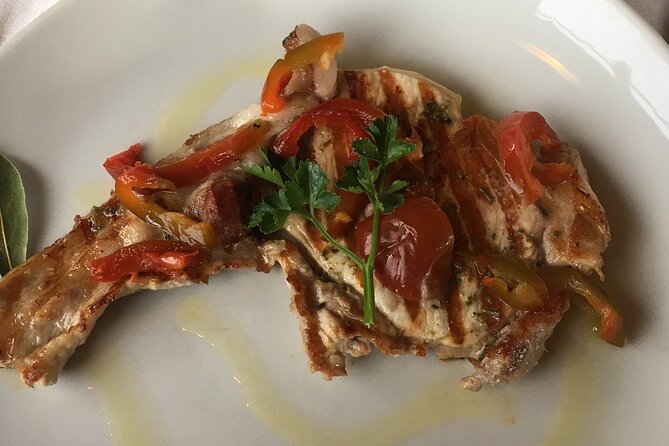
With the same products, you also prepare a second course. Then it’s time for TUTTI A TAVOLA, the everybody-at-the-table moment where the day stops being about cooking and becomes about eating together.
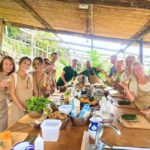
This matters more than it sounds. In many culinary experiences, you cook a portion and then drift into a separate dining area. Here, the class is designed so you taste what you made as part of a shared lunch flow.
The wine is a key part of that shared rhythm. The experience includes an “endless” feel to the wine during the meal, which encourages a long, relaxed pace instead of a quick tasting and a rush out the door.
If you’re planning your Amalfi itinerary, treat this as a real lunch, not a snack. You’ll want your next stop to be something easy afterward, because you’ll likely be full, satisfied, and in no mood for a sprint.
Pace and timing: a 4-hour plan that fits Amalfi days
The duration is about 4 hours. The start time listed is 11:00 am, but the experience also runs in a way where arrival around 10:30 can make sense, since the welcome and the handoff into the garden happen early.
That timing is good for a few reasons. First, it means you’re not fighting dinner crowds. Second, it gives you a solid chunk of the day without leaving you with an overpacked schedule afterward.
During the class, the work moves in clear phases: welcome, garden picking, pasta teaching and dough prep, sauce work, second course, and then the meal with wine. Each part connects, so you’re not waiting around wondering what happens next.
Bring patience if your group is more chatty, but also enjoy it. Farm cooking classes work best when you allow time to learn and laugh at a bit of dough that refuses to cooperate.
Price and value: $243.10 per person, and what justifies it
The price is $243.10 per person for roughly 4 hours. That’s not cheap, so it’s worth asking what you’re actually paying for.
Here’s what adds up in your favor:
- You’re not only cooking; you’re doing a real garden harvest and then using it in multiple parts of the meal.
- You get guided handmade pasta instruction, including quantities and detailed steps.
- The host team includes Aniello for the garden and Chef Raffaella for the kitchen leadership.
- It’s structured as a private tour/activity, meaning only your group participates, which can make the experience feel more personal.
Also, the small-group feel seems real. One review highlights that even when there was just one person in the class, they still held it. That suggests the operator treats the class as a proper service, not a fragile product that collapses if attendance is low.
If you want the best value, treat this as both a cooking lesson and an edible cultural experience. You’ll leave with pasta skills you can use again, plus the satisfaction of making lunch from what you picked.
Who this class is for (and who should think twice)
This works best for you if you want hands-on cooking in Italy and you like learning by doing. The class is also a great fit if you enjoy the Mediterranean diet idea in a practical way: seasonal products, simple preparations, and flavors built from ingredients rather than heavy techniques.
It’s especially good for food lovers who don’t just want to eat. If you like getting your hands busy—dough, sauce, and shaping—that’s the core of the experience.
You might think twice if your idea of vacation is mostly passive lounging. This is a farm-based kitchen day with active participation, and you’ll spend time gathering and cooking before you finally sit down with wine and food.
Practical tips to make your day smoother
Wear clothes and shoes you don’t mind a little dirt on. Garden picking means you’ll likely be close to plants, and farm environments have their own pace.
Plan for an appetite. When you cook pasta and then eat a second course, you’ll want time in your schedule to relax afterward.
If you’re sensitive about timing, note that the experience start is listed as 11:00 am, but the welcome and garden portion can begin right around then. I’d rather you arrive a little early than rush.
Finally, come with a mindset of learning. Even if you’ve cooked before, this class is about technique, not shortcuts—and Chef Raffaella’s step-by-step approach is where you’ll gain the most.
Should you book Agriturismo Il Tintore’s Mediterranean diet cooking class?
Book it if you want a real farm-to-table cooking experience that includes garden picking, handmade pasta instruction, and a shared lunch with wine. The ingredient-driven menu and the guidance from Aniello and Chef Raffaella make it feel personal, not generic.
Skip it (or choose something else) if you want a purely observational cooking tour or you’re short on time and can’t spare a full 4-hour block. And if you dislike hands-on food work, the active participation won’t be your favorite part.
If you’re planning to spend time around Amalfi and you’d like one day that feels local in how it’s organized, this class is a strong bet.
FAQ
Where does the cooking class start?
The experience starts at B&B Il Tintore, Via Vitagliano, 25, 84010 Capitignano SA, Italy, and it ends back at the same meeting point.
How long is the experience?
It lasts about 4 hours (approx.).
Is this class private?
Yes. It’s listed as a private tour/activity, so only your group participates.
What happens when you arrive?
You get a greeting and a small welcome drink, then you’re given baskets to collect seasonal products in the garden. After you collect the ingredients, the items are taken to the kitchen and cooking begins.
Does it include wine?
Yes. The meal is accompanied by wine, described as having an endless feel.
Is free cancellation available?
Yes. You can cancel up to 24 hours in advance of the experience for a full refund.
Are service animals allowed and is it near public transportation?
Service animals are allowed. The meeting point is also described as being near public transportation.
More Workshops in Amalfi

More Tour Reviews in Amalfi

More Kitchens to Book
Fresh on the site: more Amalfi tours and day trips we have just reviewed
Amalfi Coast Cooking Classes, compared.
 ★ 5.0Hands-On Cooking Class & Farmhouse Tour on the Amalfi CoastFrom $156956 reviews
 ★ 5.0Cooking class with Pasta, mozzarella and Tiramisu with wineFrom $72549 reviews
 ★ 5.0Authentic Cooking with Locals: Meal, Wine & Scenic ViewsFrom $147396 reviews
 ★ 5.0Prepare fresh pasta, mozzarella and tiramisuFrom $78315 reviews
 ★ 5.0Cooking Class and Farmhouse Visit With MealFrom $157262 reviews
 ★ 5.0Cooking Class with Pasta, Mozzarella, and TiramisùFrom $66202 reviews
 ★ 5.0Small-Group Cooking Class in Positano: Gnocchi, Tiramisù & DrinksFrom $181191 reviews
 ★ 5.0Cooking class Amalfi Coast by Marco and TanoFrom $326123 reviews
Browse the lists this tour appears in