
Reviewed · AMALFI COAST COOKING CLASSES
Amalfi: Milk the cows, Make Pasta, Mozzarella and Tiramisù!
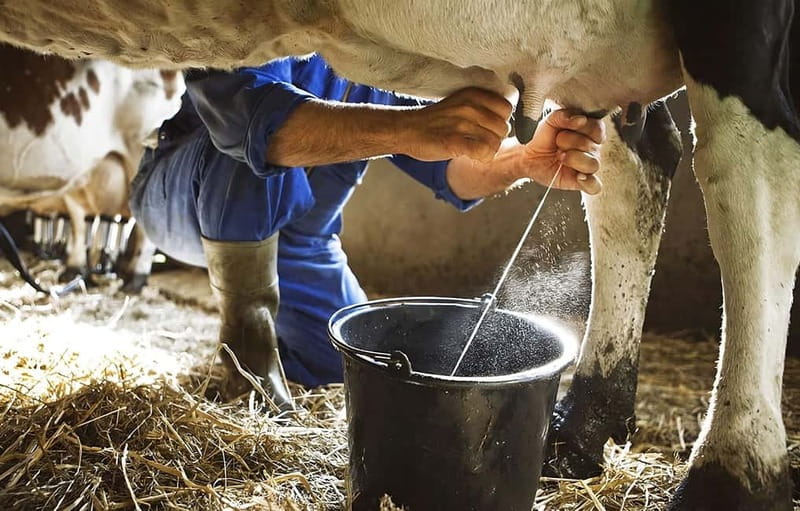
Hand-milking cows beats any demo. In this centuries-old farmhouse in Agerola, you meet Valentino and his family, tour the farm, and learn the steps behind real Amalfitan dairy and pasta, not just the recipe. I like that it feels personal and gently instructional, with the day paced around what the farm is doing. You’ll also get that big Amalfi-area panorama from up near Castello Lauritano.
I love the hands-on food chain: milk the cows, turn the milk into fiordilatte mozzarella, then move straight into scratch-made pasta. I also love that you finish with a meal built from farm-at-km0 ingredients, so the cooking and tasting match instead of feeling like a script. One consideration: transfer isn’t included, so you’ll want to plan how you’ll reach the farmhouse (and allow time on foot once you’re there).
In This Review
- Key Highlights You’ll Actually Remember
- Entering an Agerola Farm With Real Rhythm
- Meeting Valentino and Getting Settled in the Farmhouse
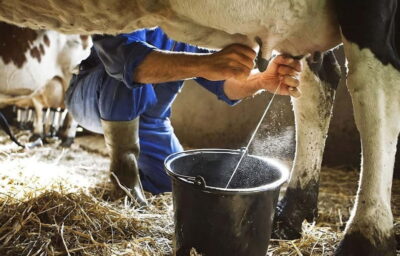
- Hand-Milking Cows by Hand (Yes, Really)
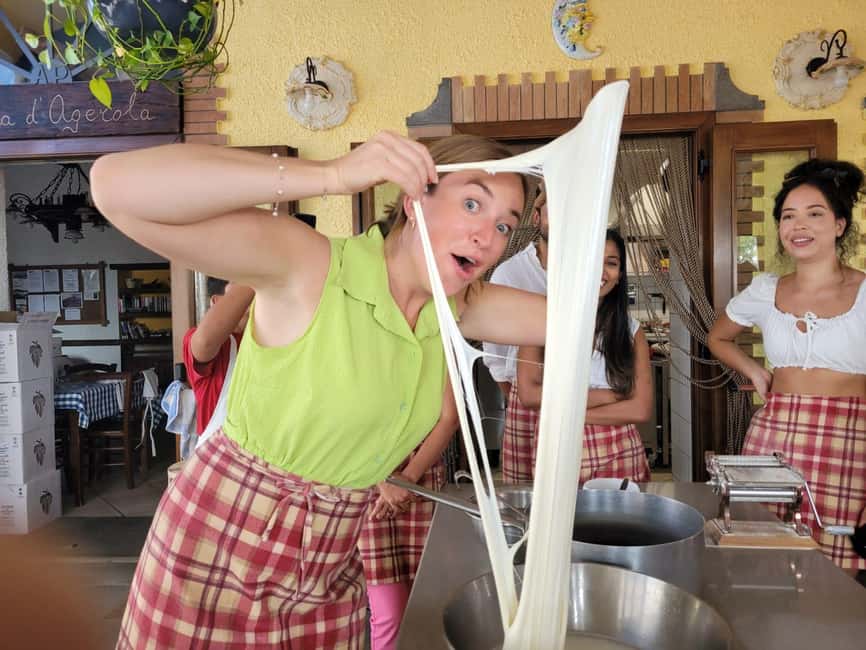
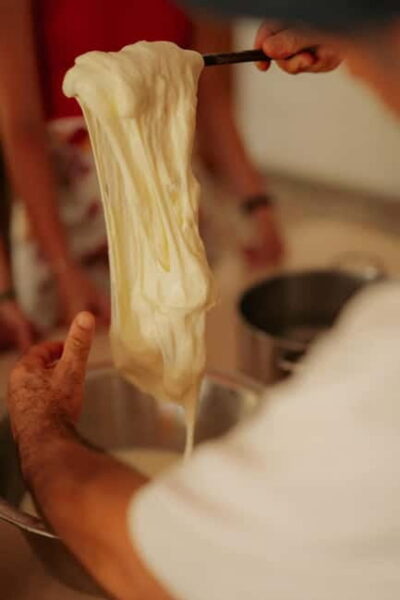
- Making Fiordilatte Mozzarella From Fresh Milk
- Nonna Maria’s Tagliatelle: The Pasta Step That Clicks
- Tiramisù: Dessert That Feels Doable, Not Mystical
- Lunch, Drinks, and What Farm-at-Name-Value Tastes Like
- Pace and Timing: How a 3-Hour Class Feels in Real Life
- Who This Farm Cooking Class Is Best For
- Price Value: Why $74-ish Can Be a Good Deal
- Logistics Around Agerola (So You Don’t Waste Your Energy)
- Should You Book This Amalfi Farm Cooking Class?
- FAQ
- How long is the Amalfi farm cooking experience?
- Where does this experience take place?
- What’s included in the price?
- Do I need to bring my own ingredients or equipment?
- What will I learn to make?
- Will I get to milk the cows?
- Who teaches the class, and what languages are offered?
- Is this experience good for beginners?
- Is transportation included?
- Is there free cancellation?
Key Highlights You’ll Actually Remember
- Hand-milking by hand with Gigino, a traditional skill passed down for centuries
- Fiordilatte mozzarella made from freshly milked cow’s milk, in Agerola (its birthplace)
- Tagliatelle from scratch using Nonna Maria’s traditional recipes
- Tiramisù step-by-step so you can repeat it at home with confidence
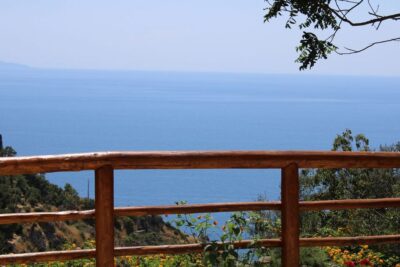
- A panoramic setting near Castello Lauritano overlooking Amalfi and the surrounding coast
Still hungry? More kitchens to book
Entering an Agerola Farm With Real Rhythm
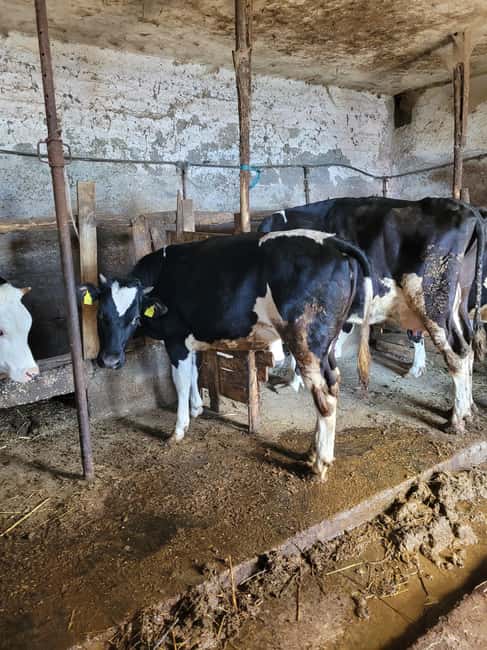
This isn’t a quick tasting or a sit-and-watch class. It’s structured like a farm day, where food starts at the source. You’ll begin at Valentino’s family farmhouse—an older stone place that sets the tone right away: calm, practical, and busy in the way a working farm is busy.
From there, the experience flows in a smart order: you handle the cows first, then you process the milk, then you make pasta, then you finish with dessert. That sequencing matters. When the ingredients feel “alive,” your brain stops treating cooking like entertainment and starts treating it like craft.
And yes, you’ll see the Amalfi coast from a high spot near Castello Lauritano, which is a nice payoff after getting your hands dirty. It turns the day into more than a meal—it’s part food lesson, part countryside memory.
Meeting Valentino and Getting Settled in the Farmhouse
You’ll be welcomed by Valentino and his family. Their role is more than host. They guide the day like you’re visiting someone’s home and helping with what’s next.
Before the hands-on parts, the day starts with a drink—house wine or another drink you choose. That’s a small detail, but it helps you relax into the schedule. It also signals the vibe: this is meant to feel warm and unforced, not formal or rigid.
Expect the pace to be “learn while you do.” You’ll be shown, you’ll try, and you’ll keep moving to the next step. If you like classes where you’re actively building something, this will fit you better than a more staged cooking show.
Hand-Milking Cows by Hand (Yes, Really)
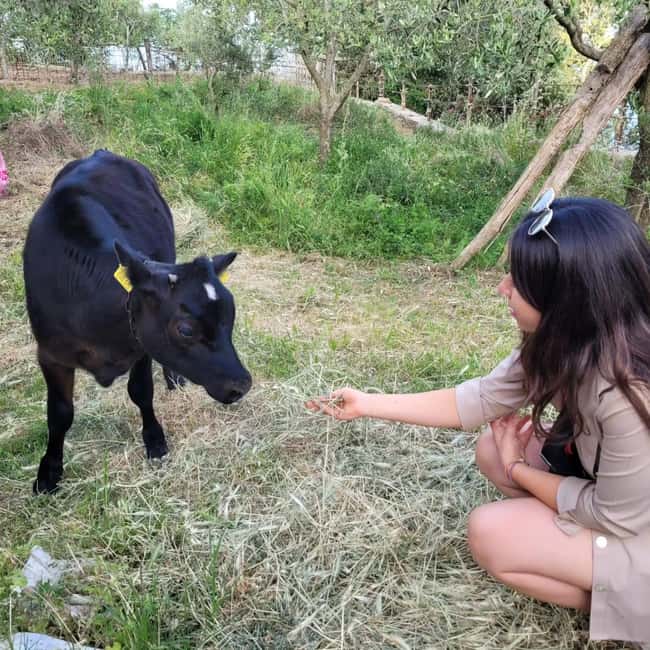
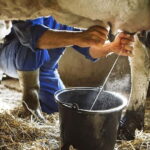
This is the moment most people will remember. You’ll head out to milk the cows, and you’ll do it by hand alongside Gigino, who teaches the traditional practice that’s been passed down in this place for centuries.
Why this part is so valuable: it changes how you think about dairy. When you’ve done the milking step yourself—even with guidance—you understand why mozzarella isn’t just “cheese-making.” It’s timing, temperature, and respect for the milk you’re working with.
It’s also the part that makes the class feel authentic to the area. Amalfi coast food culture is often tied to land and water and seasonal habits. Here, the “season” is literal: the farm’s milk is the starting point.
One practical thought: you should expect a bit of physical involvement for this portion. If you’re someone who wants zero farm tasks, this experience might feel more work than you want. But if you’re curious and game to try, it’s the highlight.
Making Fiordilatte Mozzarella From Fresh Milk
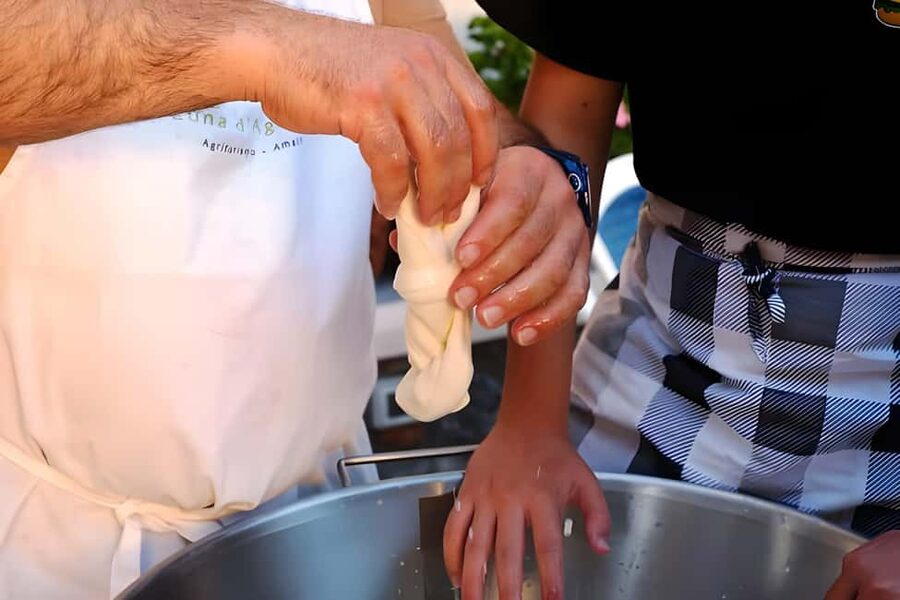
After milking, you return to the farmhouse and move into mozzarella making. You’ll work with freshly milked cow’s milk and prepare a specific style called Fiordilatte.
This matters for two reasons. First, it’s made from fresh milk right there, so you’re not learning a recipe using pre-processed ingredients. Second, Fiordilatte is strongly associated with Agerola, and Agerola is described as the birthplace of fiordilatte—so you’re learning a local specialty, not a generic “Italian cheese” lesson.
In practical terms, the lesson is designed to be learnable. You’re not just handed food—you’re guided through the process of turning milk into mozzarella. That means you come away with a clearer sense of texture and handling, not just a plate you ate.
And when you taste what you made, it’s easier to understand why this style is so respected. The day doesn’t end at the kitchen counter—it keeps proving that the farm inputs really matter.

Nonna Maria’s Tagliatelle: The Pasta Step That Clicks
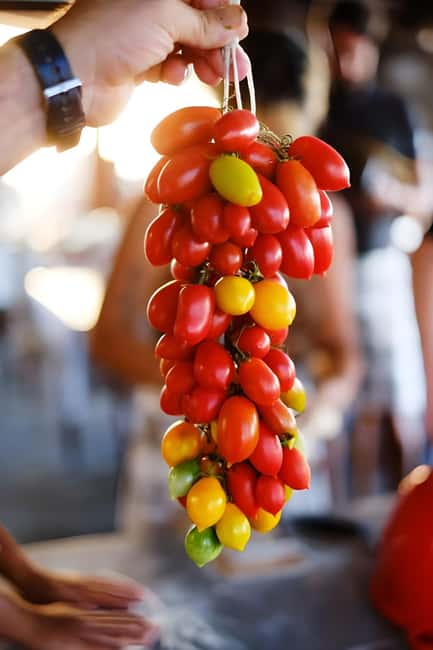
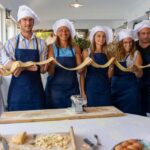
Then comes the pasta. You’ll prepare fresh pasta using recipes from Nonna Maria and you’ll make tagliatelle.
Scratch-made tagliatelle isn’t hard in theory, but it’s hard in practice if you don’t get the basics right—dough feel, thickness, and how you handle it. That’s why this kind of class is so useful: you’re learning technique, not memorizing steps.
What I like about this part of the day is that it connects dairy to grains and family cooking traditions. You go from milk to dough, which feels logical once you experience the chain. It also means your lunch (and your pride) has multiple homemade components.
If you’ve ever tried to make pasta at home and ended up with something that tasted good but didn’t have the right bite, this is the type of lesson that can fix that. You’ll understand what “fresh” means in a measurable way—through the process.
Tiramisù: Dessert That Feels Doable, Not Mystical
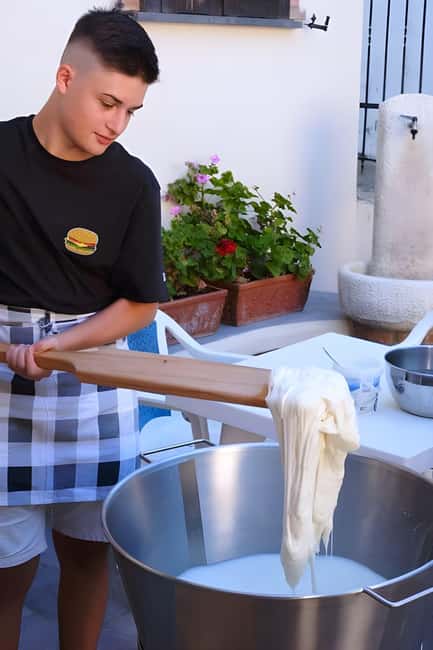
To close the loop, you’ll make tiramisù with the traditional Italian recipe. This is a classic for a reason, but the real value here is the step-by-step approach.
Dessert can be intimidating because people expect it to require precision. In this class, the goal is to teach the steps so you can make a perfect cake at home. That matters for two kinds of travelers:
- food lovers who want a souvenir you can actually recreate
- beginners who want clear instruction and simple confidence-building
This is also a fun “brain break” between salty stages. By the time dessert happens, you’ve already been working for a while, so having a guided, repeatable technique helps the day end on a high note rather than fatigue.
Lunch, Drinks, and What Farm-at-Name-Value Tastes Like
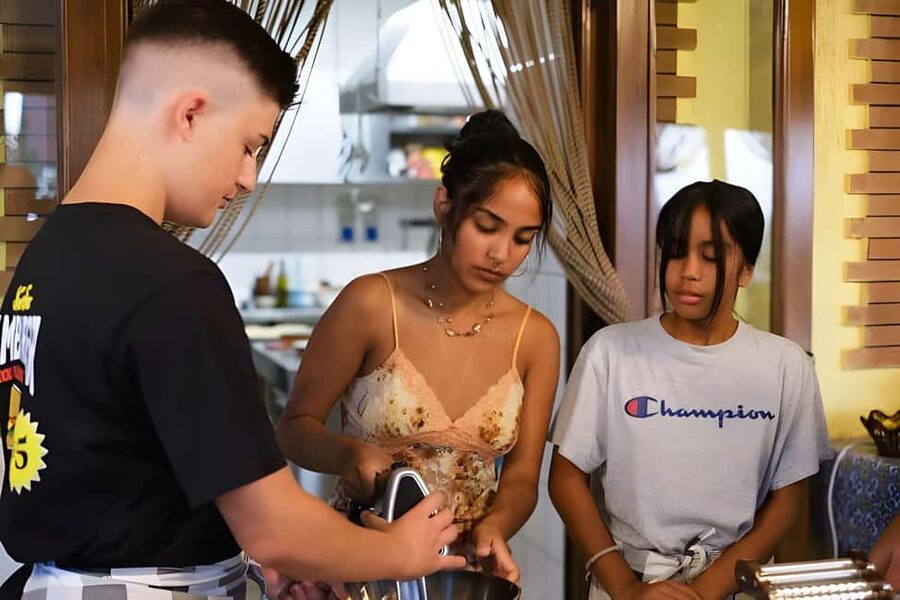
By the end, you sit down at the table and taste what you prepared. The ingredients are described as coming from the farm at km0, which is a big deal in practice.
Why? Because you’re not just cooking for cooking’s sake. You’re eating food built from the same ingredients you worked with. When the milk was fresh a few hours earlier, and the pasta was made from scratch, the meal reads as one connected experience rather than separate activities.
Drink-wise, the class includes drinks at the start. That’s helpful because you don’t need to plan anything additional during the lesson itself.
And the food lineup is also pretty perfect for a 3-hour format: mozzarella + pasta + tiramisù. Many cooking classes cram in a single dish and call it a day. Here, you get a fuller sense of Italian home cooking.
Pace and Timing: How a 3-Hour Class Feels in Real Life
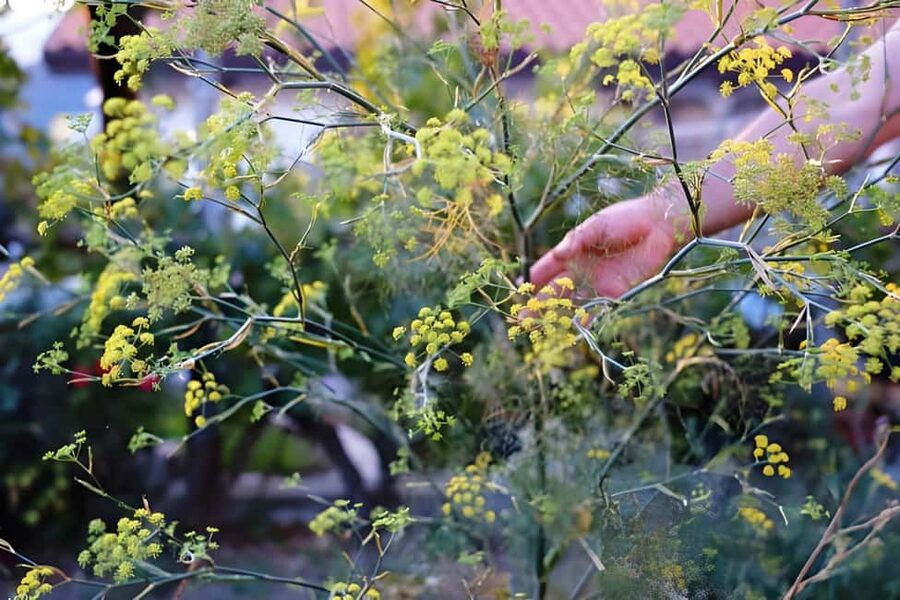
The class runs about 3 hours. Starting times depend on availability, so you’ll want to check the schedule before you plan your day on the Amalfi Coast.
In terms of pace, it’s active. You’ll move between farm tasks and kitchen tasks. That’s part of the charm, but it also means you shouldn’t schedule this class as a “fill-in” between other strenuous plans.
One practical tip from real-world experience: leave a little extra time for a short walk to settle in and get your bearings once you arrive. If you’re thinking you’ll sprint in right on time and take pictures at every stop, you’ll probably feel rushed. Give yourself margin and you’ll enjoy it more.
Who This Farm Cooking Class Is Best For
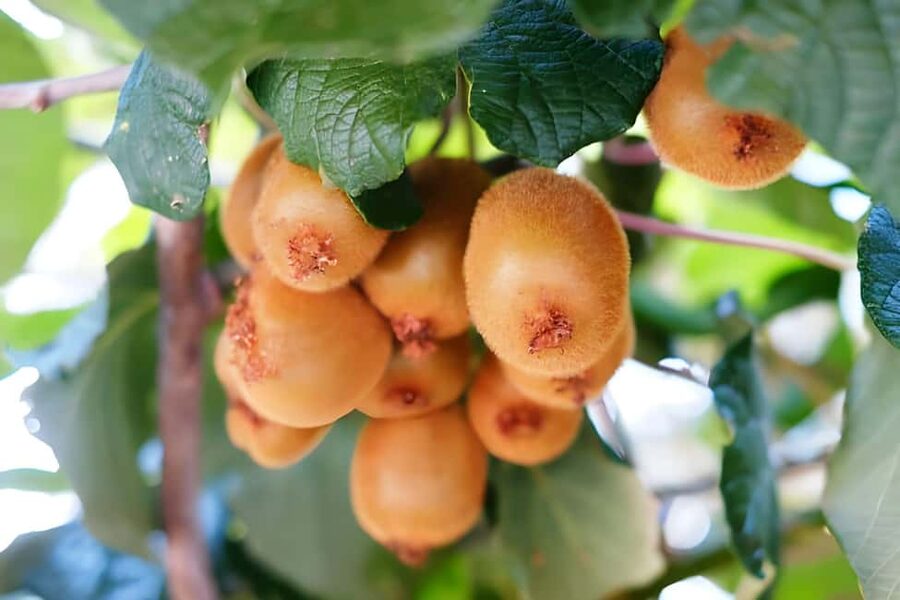
This experience fits best if you want hands-on learning and local food identity.
You’ll love it if:
- you’re interested in dairy and want to learn where mozzarella actually starts
- you like cooking classes where you do the work, not just watch
- you’re traveling in the Amalfi area and want something beyond boat rides and viewpoint selfies
- you’re a beginner who wants clear instruction and a finished meal you can feel proud of
It may not be ideal if:
- you don’t want farm tasks at all (the milking is a core part of the experience)
- you hate the idea of getting around without included transport
- you prefer purely indoor, low-movement activities
If you’re traveling with a group that has different interests, this works surprisingly well because everyone can participate at some level—even if you’re not a “pasta person” to begin with.
Price Value: Why $74-ish Can Be a Good Deal
The price is listed at $74.28 per person for roughly 3 hours, with cooking class, farm tour, drinks, equipment, and lunch/dinner included.
Here’s how I see the value:
- You’re paying for multiple skill areas: milking, mozzarella, pasta, and tiramisù. That’s more than the usual one-dish class.
- Ingredients and meal are included, and they’re tied to the farm inputs.
- You also get a setting with panoramic views near Castello Lauritano, which makes the time feel special beyond the food.
Could it be expensive compared to a grocery-and-YouTube approach? Sure. But you’re not paying for a video. You’re paying for guidance, equipment, and the full farm-to-table chain in one sitting.
The main “hidden” cost is transport to and from the farmhouse, since transfers aren’t included. If you’re already near Agerola or you can reach it easily, the price feels much more reasonable.
Logistics Around Agerola (So You Don’t Waste Your Energy)
Transfers aren’t included, so your smooth day depends on how you’re getting there. Plan for that and choose transport that matches your comfort level.
Also plan for a little walking once you arrive. The setting includes a panoramic area near Castello Lauritano, and you’ll likely move around between farm and viewpoint spots. That’s normal for this kind of rural Amalfi experience.
If you’re tight on time in the Amalfi area, pick a session that doesn’t force you to rush afterward. A cooked meal and a farm task day don’t pair well with back-to-back bus-tight schedules.
Should You Book This Amalfi Farm Cooking Class?
Book it if you want a true farm-based food experience in Agerola: milk cows by hand, make fiordilatte mozzarella, roll out tagliatelle, and finish with traditional tiramisù—then eat what you made with farm-at-km0 ingredients and a standout view near Castello Lauritano.
Consider skipping or choosing another option if you’re not willing to handle farm tasks, or if you rely on included transport to feel comfortable. Transfers not being included is the main sticking point for convenience.
If you’re game to learn by doing, this is the kind of class that gives you more than a meal. You leave with skills, a story, and a clearer understanding of why Amalfitan food has such a strong tie to land.
FAQ
How long is the Amalfi farm cooking experience?
The duration is listed as 3 hours. Starting times depend on availability.
Where does this experience take place?
It’s in Campania, Italy, specifically in Agerola, described as the birthplace of fiordilatte.
What’s included in the price?
Included are the cooking class, farm tour, drinks, cooking equipment, and lunch/dinner.
Do I need to bring my own ingredients or equipment?
No. Cooking equipment is included, and the ingredients come from the farm as part of the experience.
What will I learn to make?
You’ll learn to make fiordilatte mozzarella, fresh pasta tagliatelle from scratch, and tiramisù using traditional Italian steps.
Will I get to milk the cows?
The experience is described as including a hand-milking activity with Gigino, along with a farm tour.
Who teaches the class, and what languages are offered?
The instructor is Valentino Acampora. The class is offered in English and Italian.
Is this experience good for beginners?
The format is described as instructor-led with clear steps, and it’s suitable if you want guidance to make authentic dishes from scratch.
Is transportation included?
No. Transfer (taxi, bus, etc.) is not included.
Is there free cancellation?
Yes. Free cancellation is available up to 24 hours in advance for a full refund.
More Tour Reviews in Furore
More Kitchens to Book
Fresh on the site: more Furore tours and day trips we have just reviewed

Amalfi Coast Cooking Classes, compared.
 ★ 5.0Hands-On Cooking Class & Farmhouse Tour on the Amalfi CoastFrom $156956 reviews
 ★ 5.0Cooking class with Pasta, mozzarella and Tiramisu with wineFrom $72549 reviews
 ★ 5.0Authentic Cooking with Locals: Meal, Wine & Scenic ViewsFrom $147396 reviews
 ★ 5.0Prepare fresh pasta, mozzarella and tiramisuFrom $78315 reviews
 ★ 5.0Cooking Class and Farmhouse Visit With MealFrom $157262 reviews
 ★ 5.0Cooking Class with Pasta, Mozzarella, and TiramisùFrom $66202 reviews
 ★ 5.0Small-Group Cooking Class in Positano: Gnocchi, Tiramisù & DrinksFrom $181191 reviews
 ★ 5.0Cooking class Amalfi Coast by Marco and TanoFrom $326123 reviews
Browse the lists this tour appears in