
Reviewed · AMALFI COAST COOKING CLASSES
Positano: Small-group Cooking Class at a Local’s Home
Wine and pasta start at a home kitchen. In Positano, this small-group class puts you at a real local workstation with an expert home cook, so you’re learning Italian food the way it’s actually made at family tables—no big-show theatrics. I especially like the small group size (up to 10), which keeps things hands-on and makes it easier to ask questions as you cook.
Another big plus: you get to taste everything you prepare, and it comes with local wines, water, and coffee. That turns the class into a full food experience, not just a cooking demo you walk away from hungry.
One thing to plan for: you cook in a local home and the exact address is shared only after booking, and the setting may be outside the center of Positano. If you’re short on time or relying on public transport, double-check your travel time once you have the details.
In This Review
- Key Points to Know Before You Go
- Cooking in a Positano Home: The 3-Hour Rhythm
- Meeting Your Host (Cesarine Home Cooks) and Learning the Real Method
- Appetizer, Pasta, Dessert From Scratch: What You’ll Actually Make
- Starter: Seasonal Italian Ingredients
- Main: Fresh Pasta of the Region
- Dessert: A Typical Regional Finish
- Taste Everything You Make: The Local Wine Pairing at the Table
- Where the Class Happens: Privacy, Address Details, and Real Commutes
- Price and Value: What $243.56 Covers on the Amalfi Coast
- Who This Positano Class Suits Best (and Who Should Rethink It)
- Should You Book This Positano Small-Group Cooking Class?
- FAQ
- How long is the Positano small-group cooking class?
- What size is the group?
- What will I cook during the class?
- Are drinks included?
- What languages are used during the class?
- Where do we meet, and when do I get the address?
- What is the cancellation policy?
- Is this experience suitable for wheelchair users?
Key Points to Know Before You Go
- Up to 10 participants means more time at your station, less waiting around
- Three courses from scratch: appetizer, pasta dish, and dessert
- Wine at the table: local red and white plus water and coffee
- Host-led, home-style teaching using family recipes and techniques
- Privacy first: the full address is only sent after you book
Still hungry? More kitchens to book
Cooking in a Positano Home: The 3-Hour Rhythm
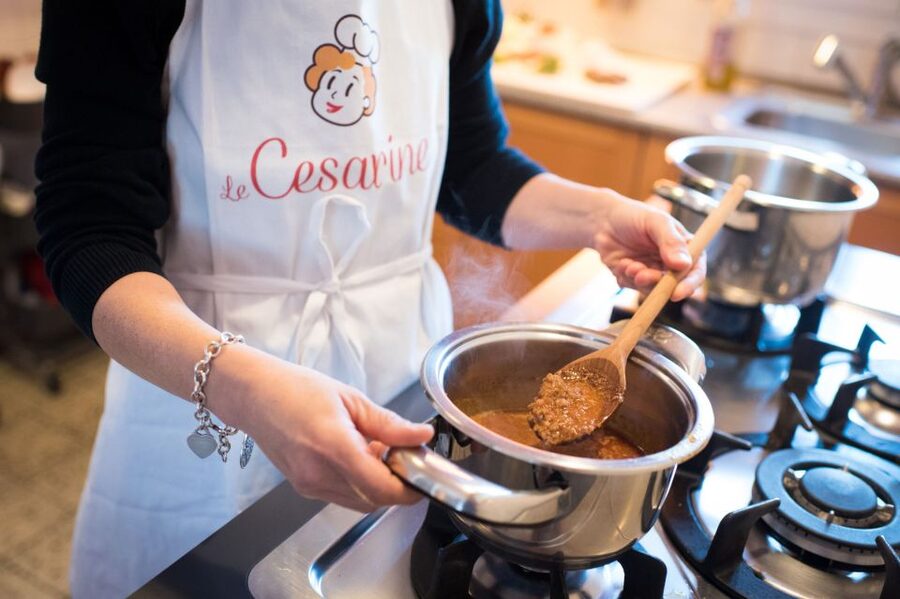
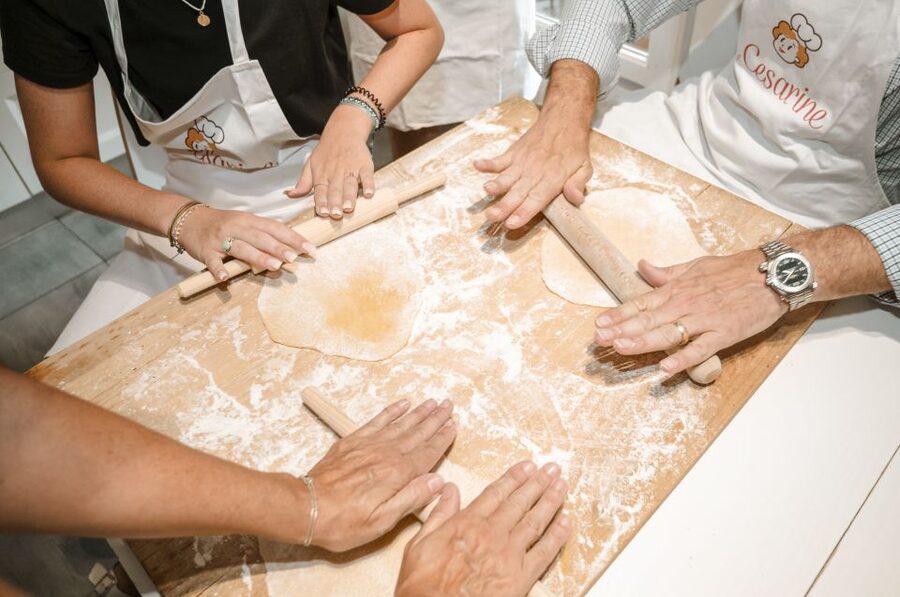
This isn’t the kind of cooking class where you stand on the edge watching someone else do the work. You’re there for about 3 hours, and the pace is built around learning, chopping, mixing, shaping, cooking, and then eating what you made. Expect a full flow: you’ll start by preparing an appetizer, move into the main pasta dish, and finish with a dessert.
The hour-by-hour structure matters because Italian cooking rewards timing. When you’re making pasta and a dessert in the same session, you’ll quickly see why people in Italy juggle heat, resting time, and prep in a very practical way. You’ll also learn how small steps—like prepping ingredients in the right order—make everything feel calmer at the stove.
And because it’s shared with a small group, you’re not competing for space. You can actually follow along, get guidance in real time, and adjust if something doesn’t work the first time.
Meeting Your Host (Cesarine Home Cooks) and Learning the Real Method
Cesarine matches you with a home cook in their network—an approach built on “learn in a living kitchen” rather than a classroom. It’s organized by a network of home cooks across Italy, and in Positano you’ll be learning directly from a local expert who’s likely to cook these dishes regularly in their own home.
A key detail I like: your host isn’t just teaching recipes. They also share the story behind them, often including local specialties served from family cookbooks. That’s where you get the why behind the food—why certain ingredients show up, why the pasta format matters, and what makes the dish feel like it belongs in this region.
You may meet hosts with very different styles. Some are described as bringing a sense of humor and lightness to the group, like hosts named Carla and Rocco, who are noted for how they keep the group engaged while teaching. Others, such as an instructor named Antonio, are praised for strong instruction and making the meal feel like the best you’ve had so far in Italy. The common thread: you’re not just collecting tips—you’re cooking with someone who cares how it comes out.
Appetizer, Pasta, Dessert From Scratch: What You’ll Actually Make
This class is built around three authentic recipes: an appetizer, a pasta dish, and a dessert. You’ll prepare them from scratch using utensils and all ingredients provided at your workstation. That’s a smart setup on the Amalfi Coast, where grocery runs can be expensive, time-consuming, and stressful when you’re trying to enjoy the day.
Here’s what you can expect in practical terms:
Starter: Seasonal Italian Ingredients
You’ll begin with a starter built around seasonal ingredients. The point isn’t fancy plating; it’s flavor and technique—how to combine ingredients so they taste like they belong together right away. This is also where you’ll learn the host’s approach to seasoning and timing.
A few more Positano trips worth a look


Main: Fresh Pasta of the Region
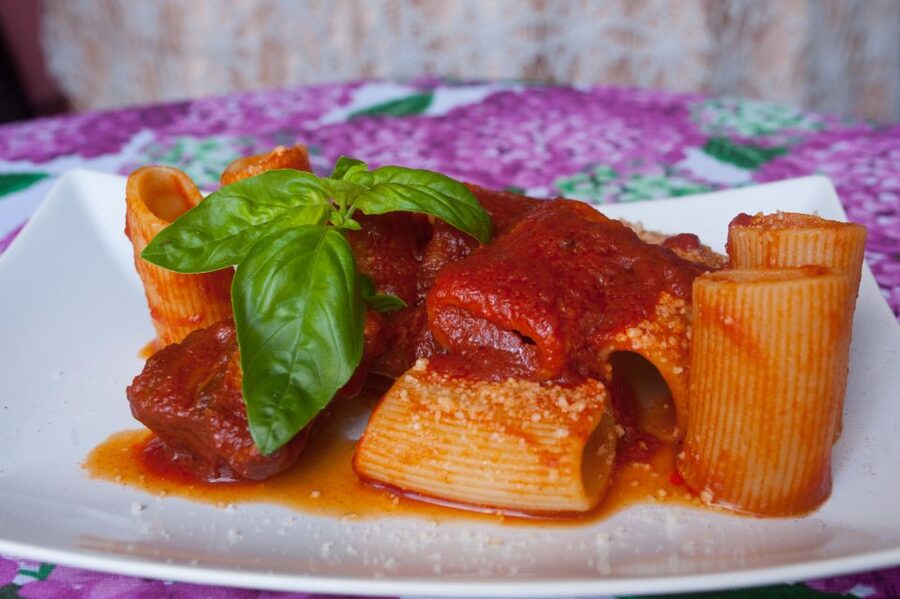
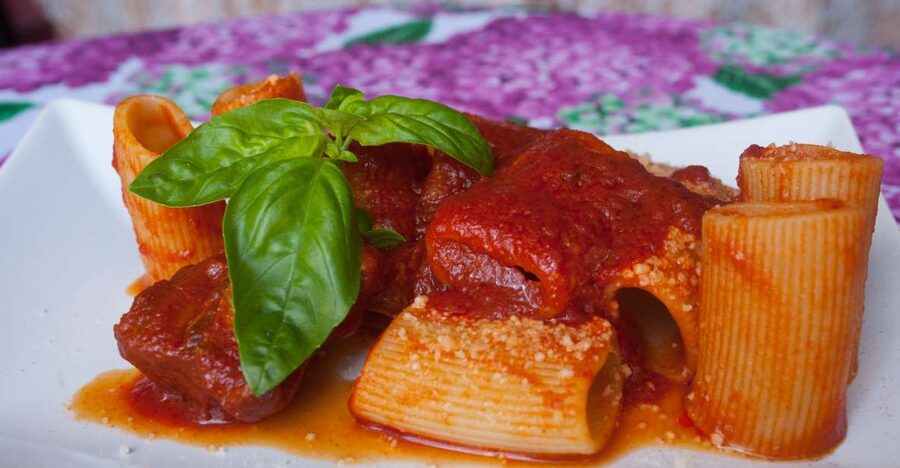
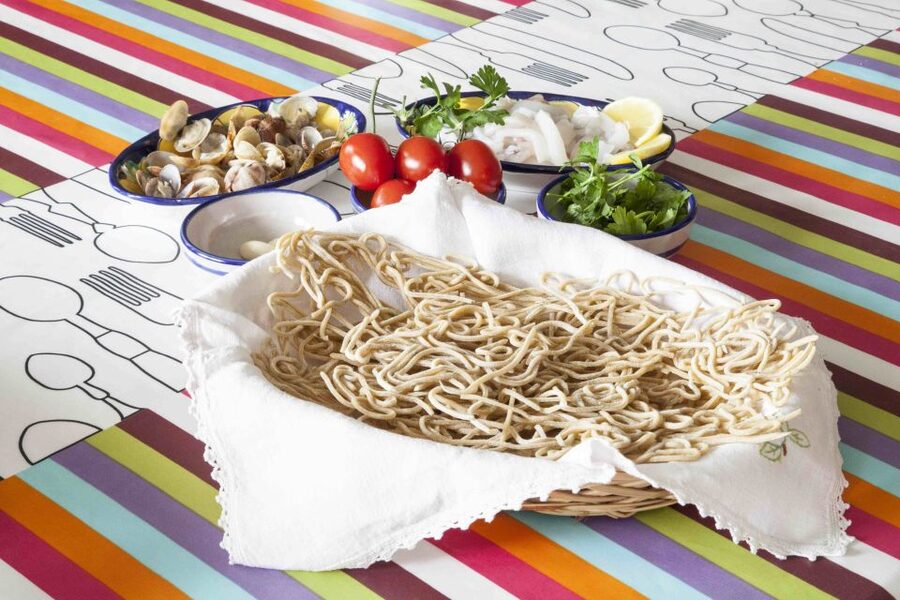
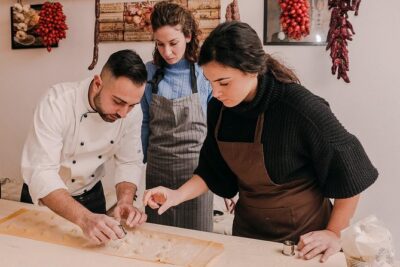
Next comes the pasta dish. Expect to work with fresh pasta from the region, not boxed shortcuts. When you’re shaping and handling fresh dough (or assembling your pasta dish with guidance), you’ll start noticing small choices Italians make for texture—how thick or thin matters, what consistency should look like, and when sauces should be treated gently so they don’t lose character.
Fresh pasta is one of the quickest ways to understand regional Italian cooking. Even if you’ve eaten pasta all over Italy, making it yourself in a real kitchen helps you see the differences in process and rhythm.
Dessert: A Typical Regional Finish
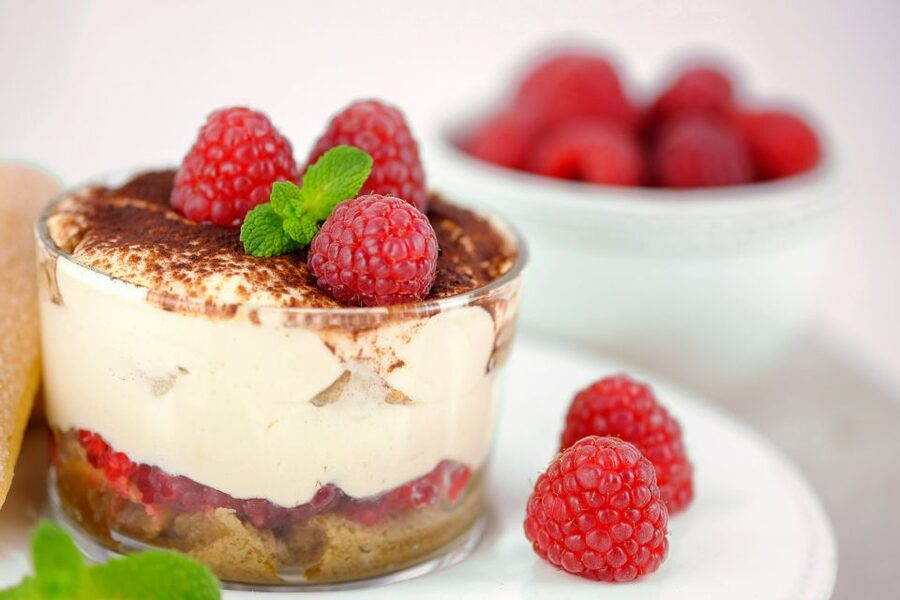
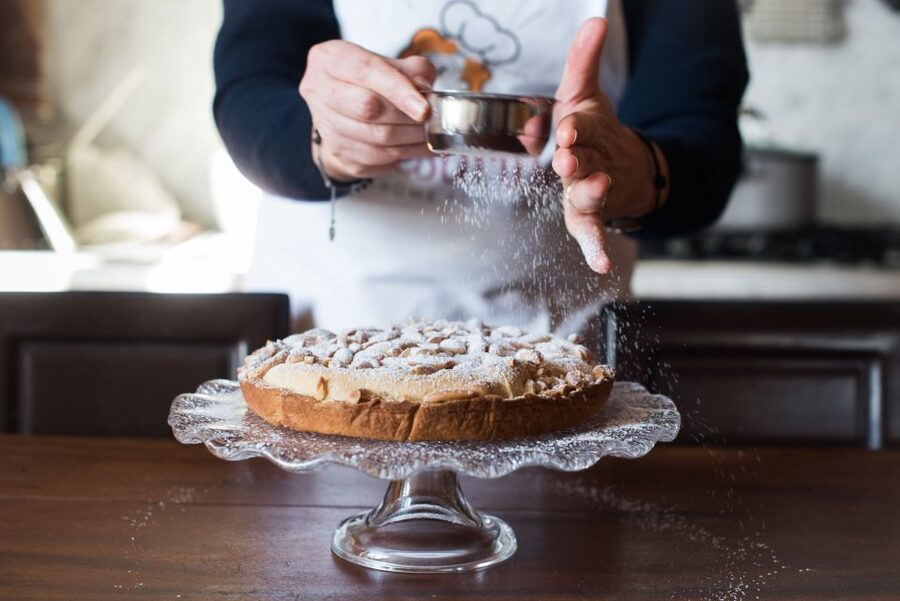
You’ll finish with a dessert that’s typical of the area. Dessert in an Italian home cooking class often feels less like a challenge and more like closure—something you can enjoy while everything else is cooling down and you finally sit with your food. Since you’ll taste it as part of the final meal, you’ll also get immediate feedback on what works and why.
Taste Everything You Make: The Local Wine Pairing at the Table
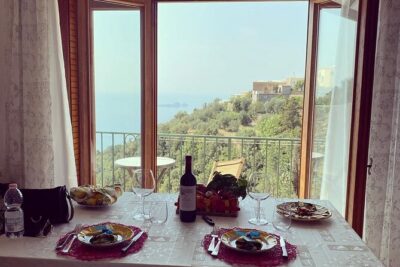
The best part of a cooking class is often the moment you sit down to eat. Here, that’s built in. After you cook, you’ll taste the three dishes you prepared, accompanied by a selection of local red and white wines, plus water and coffee.
This matters for two reasons.
First, pairing helps you understand the food. Wine isn’t just included—it becomes part of how you experience the dishes. You’ll notice how acidity and tannins change the way you perceive seasoning, especially with pasta and savory starters.
Second, eating together makes the class feel social in a natural way. You’re not rushed out the door after cooking. You’ll have time to chat with your host and others in the group while you enjoy the meal, which is a big reason this format feels more authentic than a restaurant cooking show.
If you like classes where you both learn and then relax, this setup delivers.
Where the Class Happens: Privacy, Address Details, and Real Commutes
This cooking class happens in a local home. Because of privacy, you don’t get the full address until after you book. That can be slightly annoying if you’re trying to plan routes early, but it’s also part of what keeps the experience feeling like a real home rather than a public venue.
One practical heads-up: the experience may be positioned in the broader area around Positano. In other words, you might not be cooking directly inside central Positano streets. A nearby town like Priano has come up as part of the reality of how some hosts are located, so plan your travel time and double-check your final address once it’s provided.
My advice: once you get the full address, do a quick sanity check:
- figure out how you’ll get there for a specific start time
- plan a little buffer in case the final location is slightly off your usual route
- avoid scheduling tight “right after” plans, since you’ll want time to settle and enjoy the tasting portion
Also, the class ends back at the meeting point, so you should think of it as a self-contained half-day block.
Price and Value: What $243.56 Covers on the Amalfi Coast
At $243.56 per person for a 3-hour class, this is not a budget activity. But it isn’t overpriced in the way “touristy cooking classes” can be either. The value is in what’s included and what you actually do.
Here’s what your ticket covers:
- a shared cooking class with ingredients and utensils provided
- tasting of the three recipes you prepare
- beverages: water, local wines, and coffee
- local taxes
For the Amalfi Coast, the big costs aren’t only the teacher’s time. You’re also paying for a private home setting, small-group logistics, and the wine-and-coffee part of the meal. When you add it up, you’re basically buying a guided culinary experience that ends with a full sit-down tasting.
And the small-group limit (up to 10) is part of the pricing logic. If it were a big class with lots of watching and little cooking, the price would feel harder to justify. With this format, you have more chances to touch the food and learn what matters.
If you love Italian cooking and want a hands-on class where you leave with more than photos, this price can make sense quickly.
Who This Positano Class Suits Best (and Who Should Rethink It)
This cooking class fits you best if you want:
- a hands-on meal experience, not passive watching
- an Italian home-cooking style lesson with a local host
- a relaxed timeline that ends with wine and eating together
- a small group where you can actually talk and ask questions
You should consider skipping it if you strongly prefer large-bus tours with easier logistics. The home setting means you’ll be coordinating travel to an exact address. And because it’s not suitable for wheelchair users, mobility needs aren’t a match for this format.
If you’re an adventurous eater who likes learning by doing, this is a satisfying way to spend a few hours on the coast.
Should You Book This Positano Small-Group Cooking Class?
If your goal is authentic Italian cooking in a real home—plus a meal you help make—this class is an easy yes. The structure (appetizer, pasta, dessert), the small-group size, and the included tasting with local wines all align into one coherent experience. You’ll leave fed, not just informed.
Here’s the decision checklist I’d use:
- You want to cook three courses from scratch, not just watch
- You’re comfortable going to a local home where the address comes after booking
- You value a small group and an eating-focused finish with wines and coffee
- You’re okay paying a premium for a home-hosted experience on the Amalfi Coast
If that sounds like your kind of day, book it. It’s one of the best ways to turn a vacation meal into something you can recreate later.
FAQ
How long is the Positano small-group cooking class?
The class runs for 3 hours.
What size is the group?
The group is limited to 10 participants.
What will I cook during the class?
You will prepare three recipes from scratch: an appetizer, a pasta dish, and a dessert.
Are drinks included?
Yes. The tasting includes beverages such as water, local wines, and coffee.
What languages are used during the class?
The instructor/host communicates in Italian and English.
Where do we meet, and when do I get the address?
Because the class is in a private home, you only receive the full address after you have booked.
What is the cancellation policy?
You can cancel up to 24 hours in advance for a full refund.
Is this experience suitable for wheelchair users?
No. It is not suitable for wheelchair users.
If you want, tell me your travel dates and whether you’ll have a car or are using buses/taxis, and I’ll help you think through the best timing around the class start.
More Workshops in Positano


More Tour Reviews in Positano


More Kitchens to Book


Fresh on the site: more Positano tours and day trips we have just reviewed




Amalfi Coast Cooking Classes, compared.
 ★ 5.0Hands-On Cooking Class & Farmhouse Tour on the Amalfi CoastFrom $156956 reviews
 ★ 5.0Cooking class with Pasta, mozzarella and Tiramisu with wineFrom $72549 reviews
 ★ 5.0Authentic Cooking with Locals: Meal, Wine & Scenic ViewsFrom $147396 reviews
 ★ 5.0Prepare fresh pasta, mozzarella and tiramisuFrom $78315 reviews
 ★ 5.0Cooking Class and Farmhouse Visit With MealFrom $157262 reviews
 ★ 5.0Cooking Class with Pasta, Mozzarella, and TiramisùFrom $66202 reviews
 ★ 5.0Small-Group Cooking Class in Positano: Gnocchi, Tiramisù & DrinksFrom $181191 reviews
 ★ 5.0Cooking class Amalfi Coast by Marco and TanoFrom $326123 reviews
Browse the lists this tour appears in